JT Plumbing & Heating Get A Quote
JT Plumbing & Heating
01932 640 256 07826 844 490 info@jt-plumbingandheating.com
A hot water cylinder and boiler with copper pipework on a white brick wall

Condensing Boilers, Controls And System Upgrades

Boiler Upgrade from Older Boilers and Heating Systems

If your boiler predates condensing technology, or your system still runs on loft tanks and basic controls, an upgrade can make your heating cheaper to run and easier to live with.

Boiler Upgrade

An Older Boiler Brought up to Modern Standards

A boiler upgrade is about moving an older, less efficient boiler or heating system up to modern standards. That might mean replacing a non condensing boiler with a condensing one, adding proper controls, cleaning out a sludged system, or changing from a tank fed system to a combi or a sealed system with a cylinder.

Jake, Billy and the team upgrade heating systems across Walton on Thames, Hersham, Molesey, Claygate and the nearby towns. We start by looking at what you have and what bothers you about it, then recommend the changes that will make a real difference, and tell you plainly where an upgrade is not worth doing.

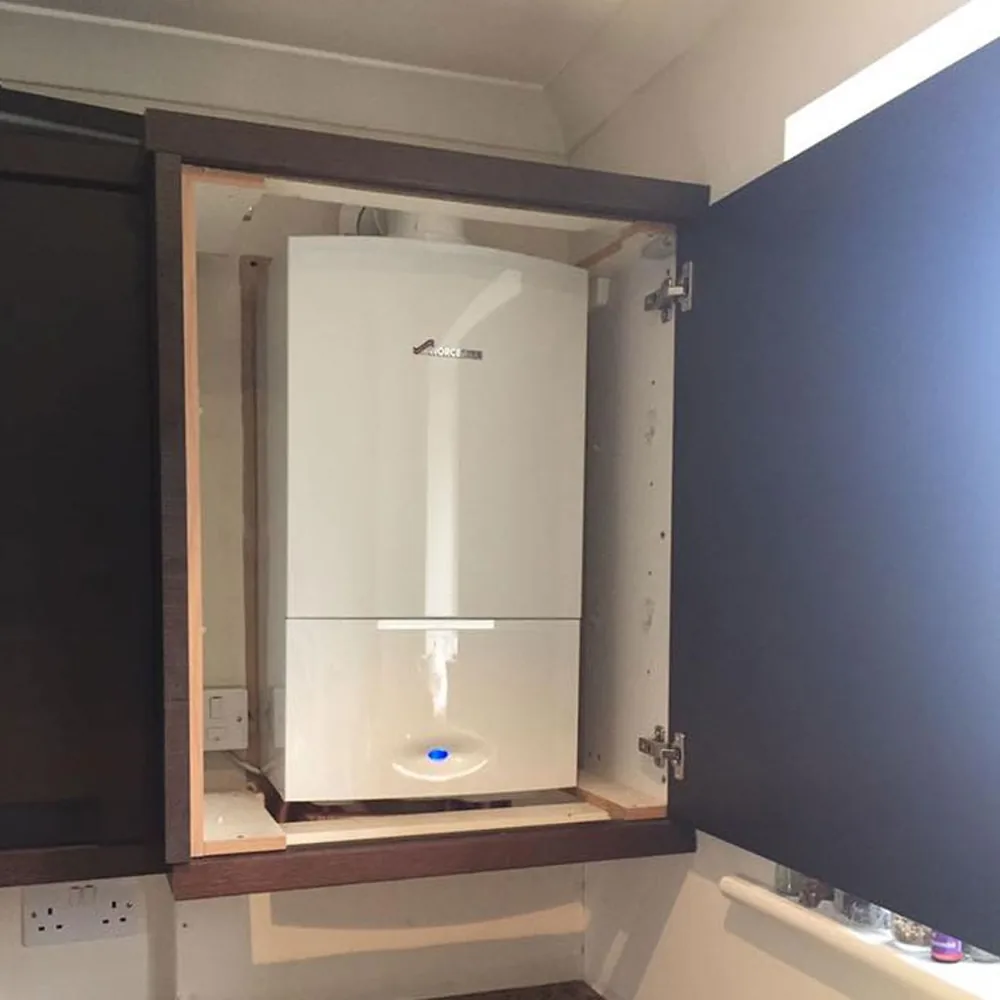
A Worcester Bosch boiler fitted inside a navy kitchen cabinet
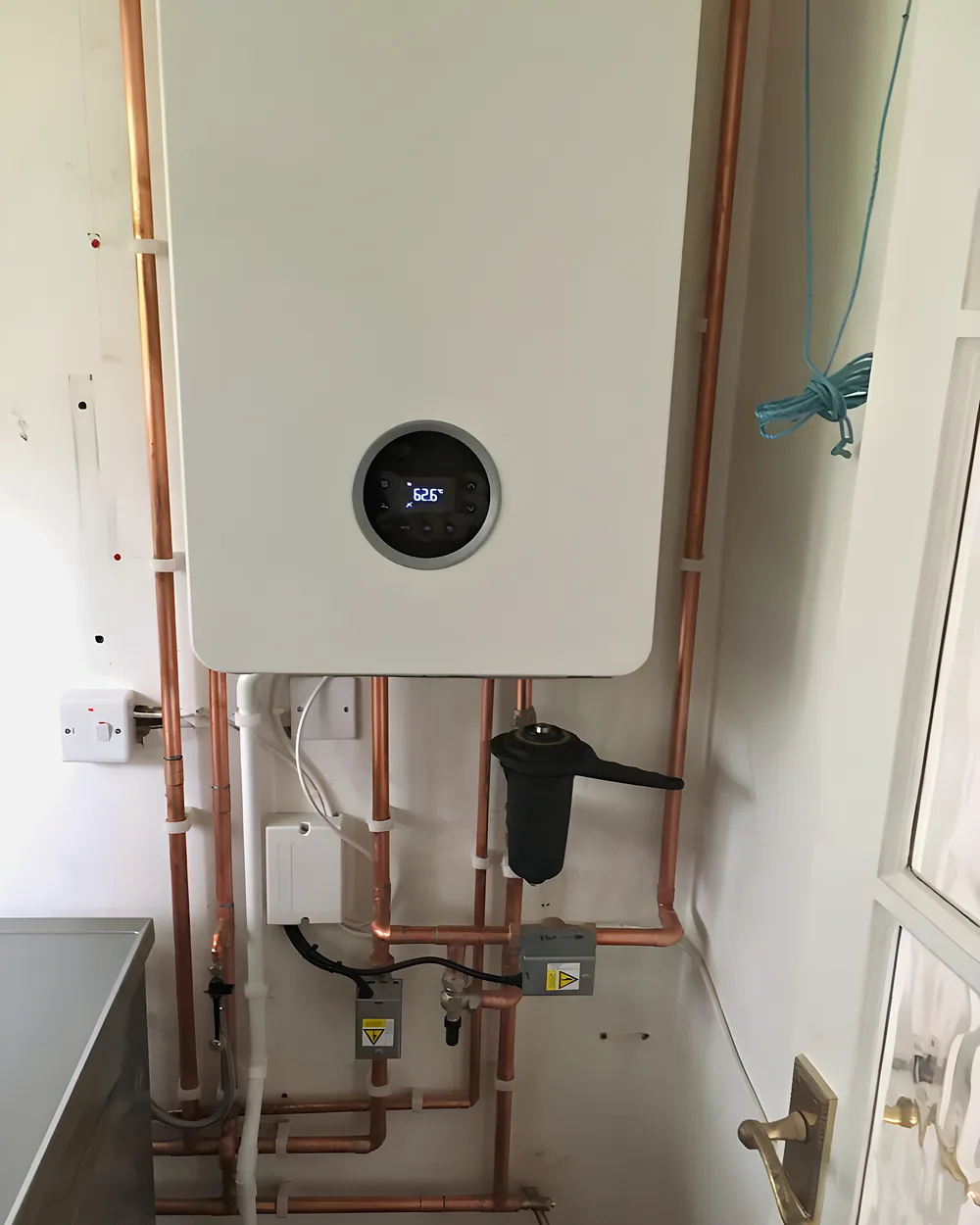
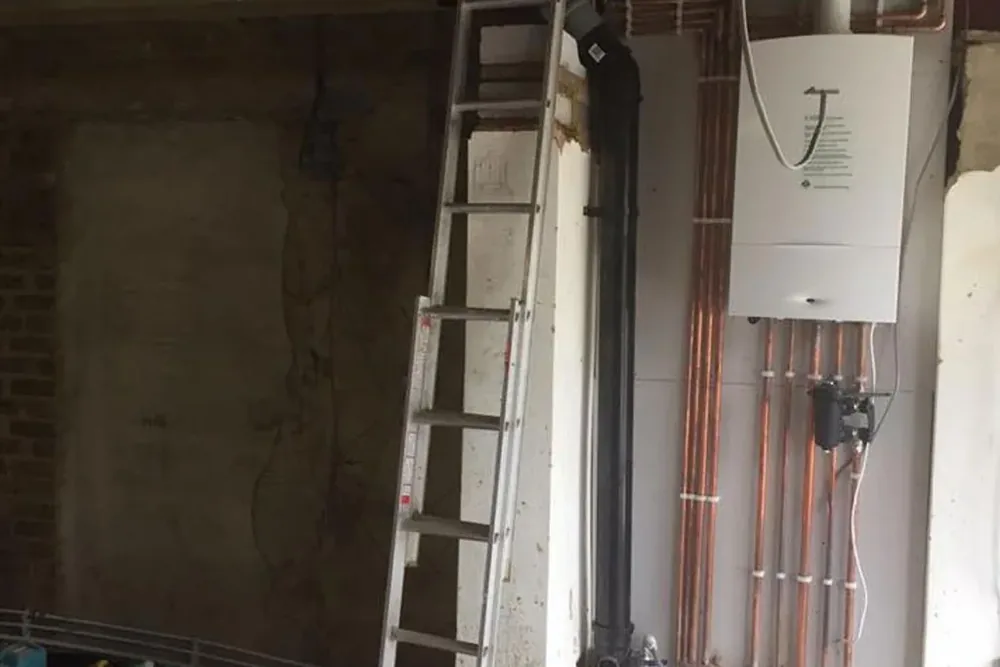
A new boiler with neat copper pipework and a magnetic filter
  1. Why Older Boilers Use More Gas

    Since 1 April 2005, every new gas boiler fitted in the UK has had to be a condensing boiler, apart from rare exceptions. A condensing boiler captures heat from its flue gases that an older boiler would simply send out of the flue, and uses it to warm the water returning from your radiators. Vaillant describes older non condensing boilers as typically 70 to 80% efficient, compared with over 90% for modern condensing models.

    If your boiler was fitted before then and has no condensate pipe running to a drain, it is likely to be using more gas than it needs to. Today, Building Regulations guidance sets a minimum efficiency of 92% for a gas boiler installed in an existing home in England, measured on the ErP basis that manufacturers publish.

  2. The Rules an Upgrade Has to Meet

    The Boiler Plus standards came into force in England on 6 April 2018 and now form part of Approved Document L, the Building Regulations guidance on energy efficiency. They set the minimum efficiency and require time and temperature controls with every gas boiler, if working controls are not already in place.

    A gas combi fitted in an existing home must also have at least one extra energy saving measure installed with it. When a boiler is replaced, the guidance also expects thermostatic control in each heated room and a boiler interlock, so the boiler and pump turn off when there is no demand for heat or hot water.

    The energy efficiency rules in the Building Regulations are updated from time to time. We keep up with each change and will tell you if anything affects the way your upgrade is designed.

    • Smart thermostat with automation and optimisation
    • Weather compensation, using an outdoor sensor
    • Load compensation, adjusting to how the house responds
    • Flue gas heat recovery, preheating the incoming cold water

Before And After

What an Upgrade Changes

A Modern Condensing Boiler

Before

An older boiler with no condensate pipe to a drain

After

Combi, system or conventional, chosen to suit your home and sized from its heat loss.

A condensing boiler captures heat from its flue gases that an older boiler would simply send out of the flue, and uses it to warm the water returning from your radiators.

Time and Temperature Controls

Before

No room thermostat, or a basic timer on the boiler

After

Programmable or smart controls, including the extra measure a new combi requires.

A smart thermostat with automation and optimisation adjusts the heating to your routine and works out when to start warming the house.

Thermostatic Radiator Valves

Before

Radiators without thermostatic valves

After

Room by room control, so bedrooms and living rooms can be kept at different temperatures.

System Cleaning

Before

Radiators cold at the bottom or heating unevenly

After

A thorough flush, or a power flush where the system needs it, followed by inhibitor.

Every new boiler needs the system cleaned and flushed, but a power flush is for systems with heavy sludge.

Magnetic Filtration

Before

Older systems collect sludge, made up largely of iron from the inside of radiators and pipes.

After

A filter on the return pipe that catches iron sludge before it reaches the boiler.

It is a small addition that helps keep an upgraded system clean year after year, and we check it at each annual service.

Tank and Cylinder Changes

Before

Old tanks in the loft you would like to remove

After

Loft tanks or old cylinders removed where a combi or sealed system replaces them.

Where a combi is the wrong fit, a system boiler with a cylinder often gives the best of both: no tanks in the loft, and plenty of hot water for a busy household.

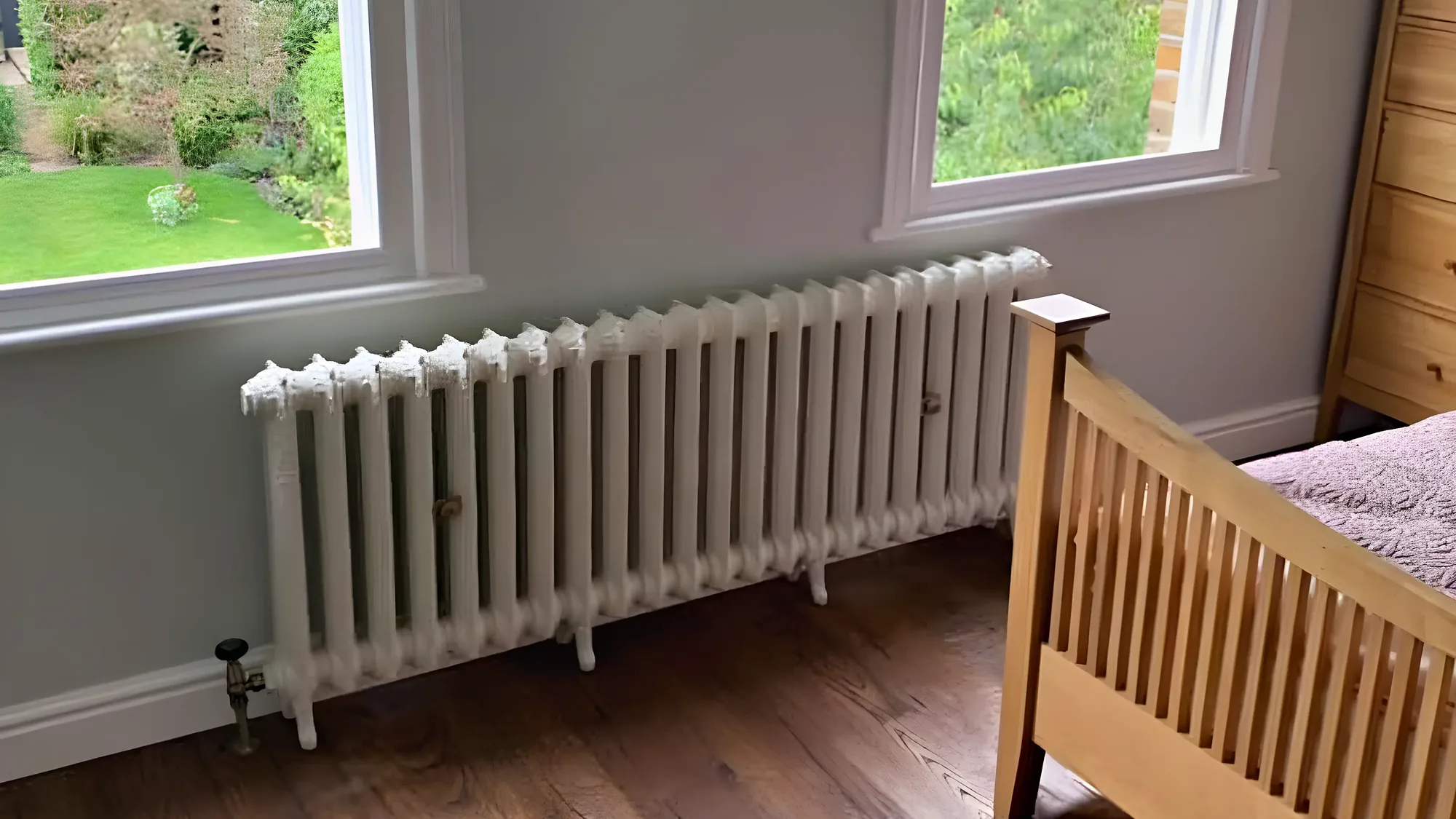
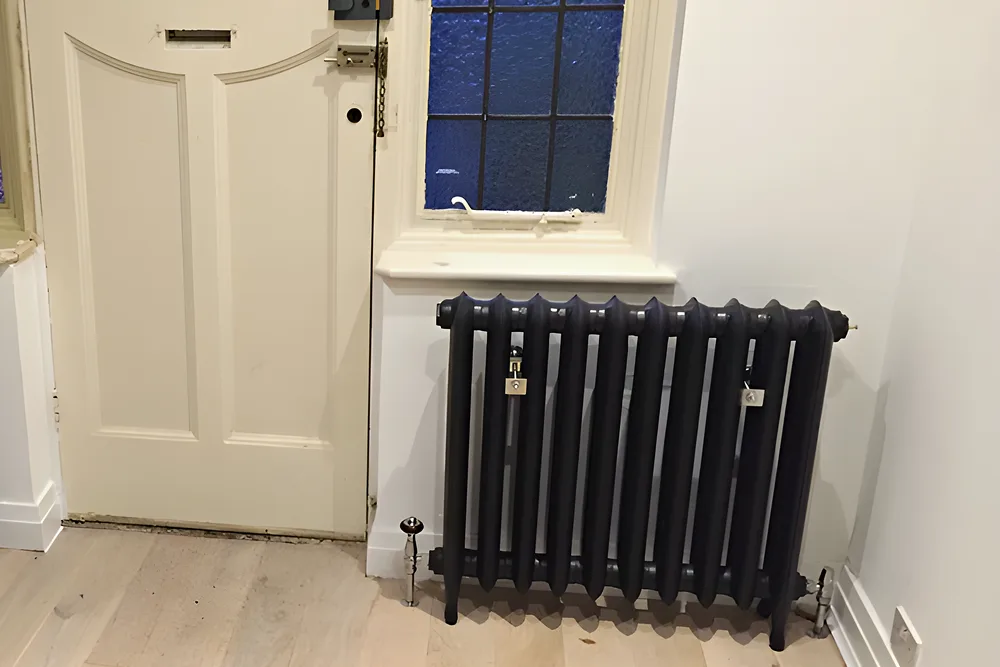
A white column radiator in a bedroom with an oak floor and garden views

Smart Controls and Compensation Explained

A smart thermostat counts towards the combi requirement only if it offers automation and optimisation. Automation means it adjusts the heating to your routine or to whether anyone is home. Optimisation means it works out how long the house takes to warm up and starts the heating at the right moment, rather than at a fixed time.

Weather compensation uses a sensor outside the house so the boiler runs cooler on mild days and hotter on cold ones. Load compensation does something similar by measuring how quickly the rooms are warming. Both lower the temperature of the water sent to the radiators when less heat is needed, and we recommend the one that suits your boiler and the way you like to control your heating.

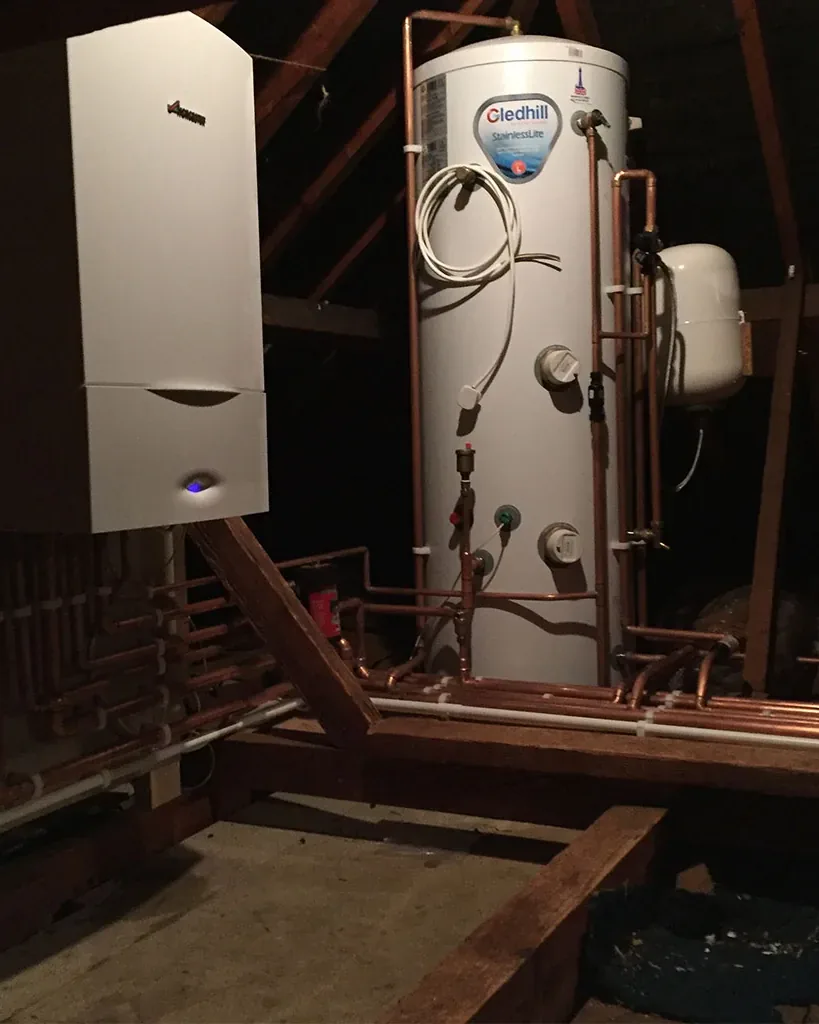
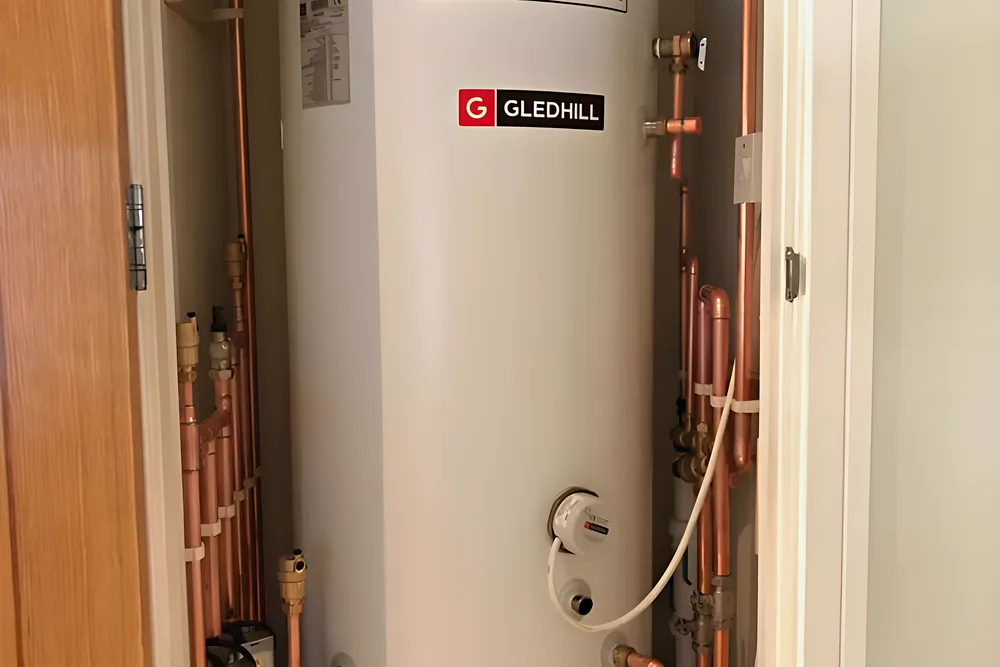
A Worcester Bosch boiler and a Gledhill unvented cylinder fitted in a loft with new copper pipework

Converting a Tank System to a Combi

Plenty of older homes still have a conventional boiler with a hot water cylinder and tanks in the loft. Swapping to a combi frees the airing cupboard and clears the loft, and because a combi delivers hot water at mains pressure, a separate shower pump is usually no longer needed.

It is not always wise, though. A combi is designed to supply one hot outlet at a time, and manufacturers advise that larger homes with several bathrooms are often better served by stored hot water. Older pipework in a tank fed system may not cope with the higher water pressure of a combi or system boiler, and with no cylinder there is no immersion heater to fall back on if the boiler needs a repair.

Where a combi is the wrong fit, a system boiler with a cylinder often gives the best of both: no tanks in the loft, and plenty of hot water for a busy household. We check your mains pressure and flow, count your bathrooms and look at the pipework before suggesting either.


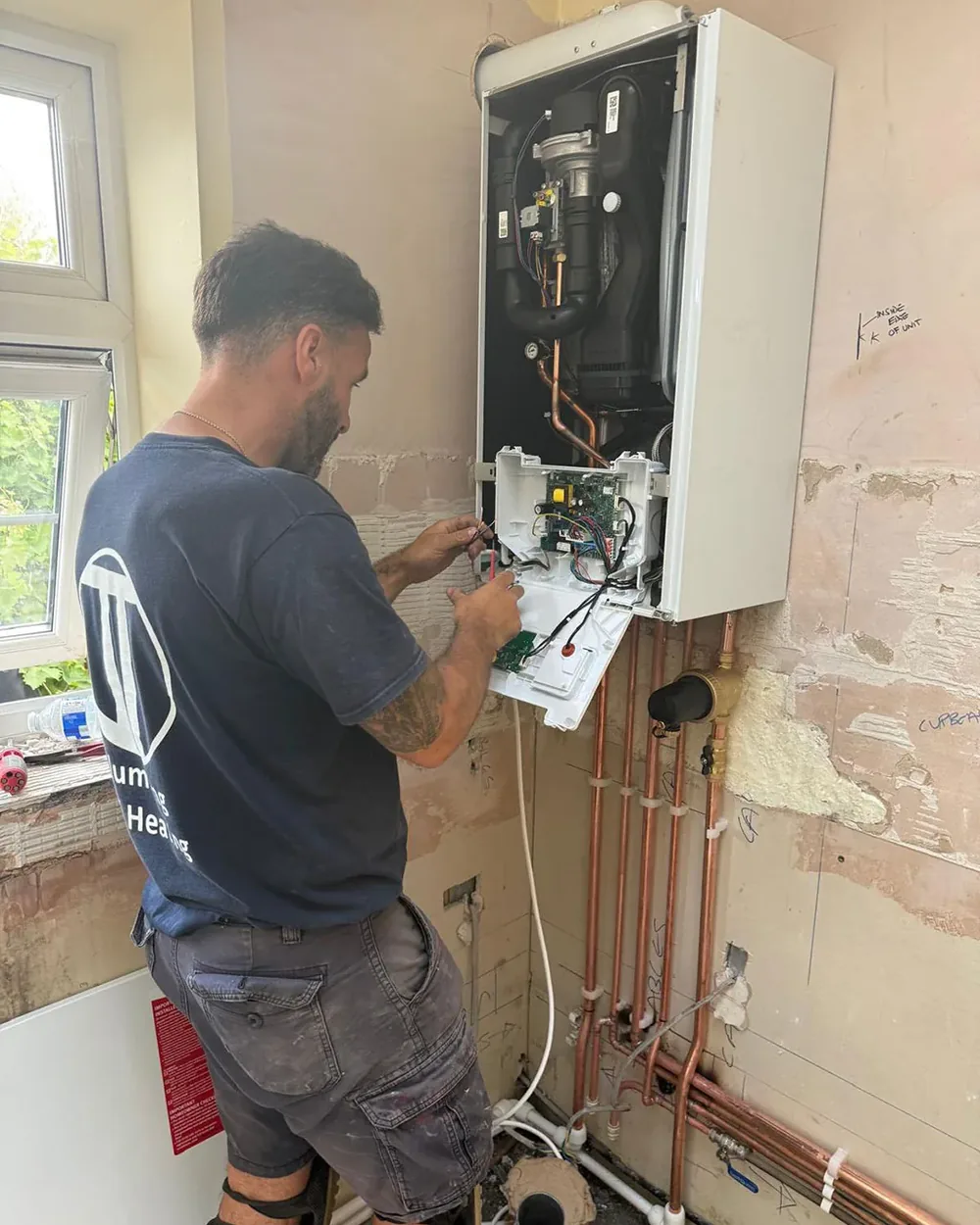
A JT Plumbing & Heating engineer working on a wall hung boiler with its front cover off

Cleaning the System and Fitting a Magnetic Filter

Older systems collect sludge, made up largely of iron from the inside of radiators and pipes. It builds up in radiators, stops the heating working properly and can be pumped into a new boiler and damage it. Building Regulations guidance says the system should be thoroughly cleaned and flushed before a new boiler is installed, with an inhibitor added afterwards to protect against corrosion and scale.

Where a system is heavily sludged, a power flush moves far more debris than a basic clean. It is not right for every home: old or leaky valves can be damaged by the process, so we look at the condition of your radiators and valves before recommending it.

A magnetic filter on the return pipe catches iron sludge before it reaches the boiler. It is a small addition that helps keep an upgraded system clean year after year, and we check it at each annual service.

Is Upgrading a Working Boiler Worth It?

Sometimes the honest answer is not yet. If your boiler is a condensing model in good order, better controls, thermostatic radiator valves and a system clean may give you most of the benefit without replacing the boiler at all. We will say so if that is the case.

If the boiler is older, inefficient or getting hard to find parts for, an upgrade done in a planned way, at a time that suits you, is far less stressful than waiting for it to fail in the middle of winter.

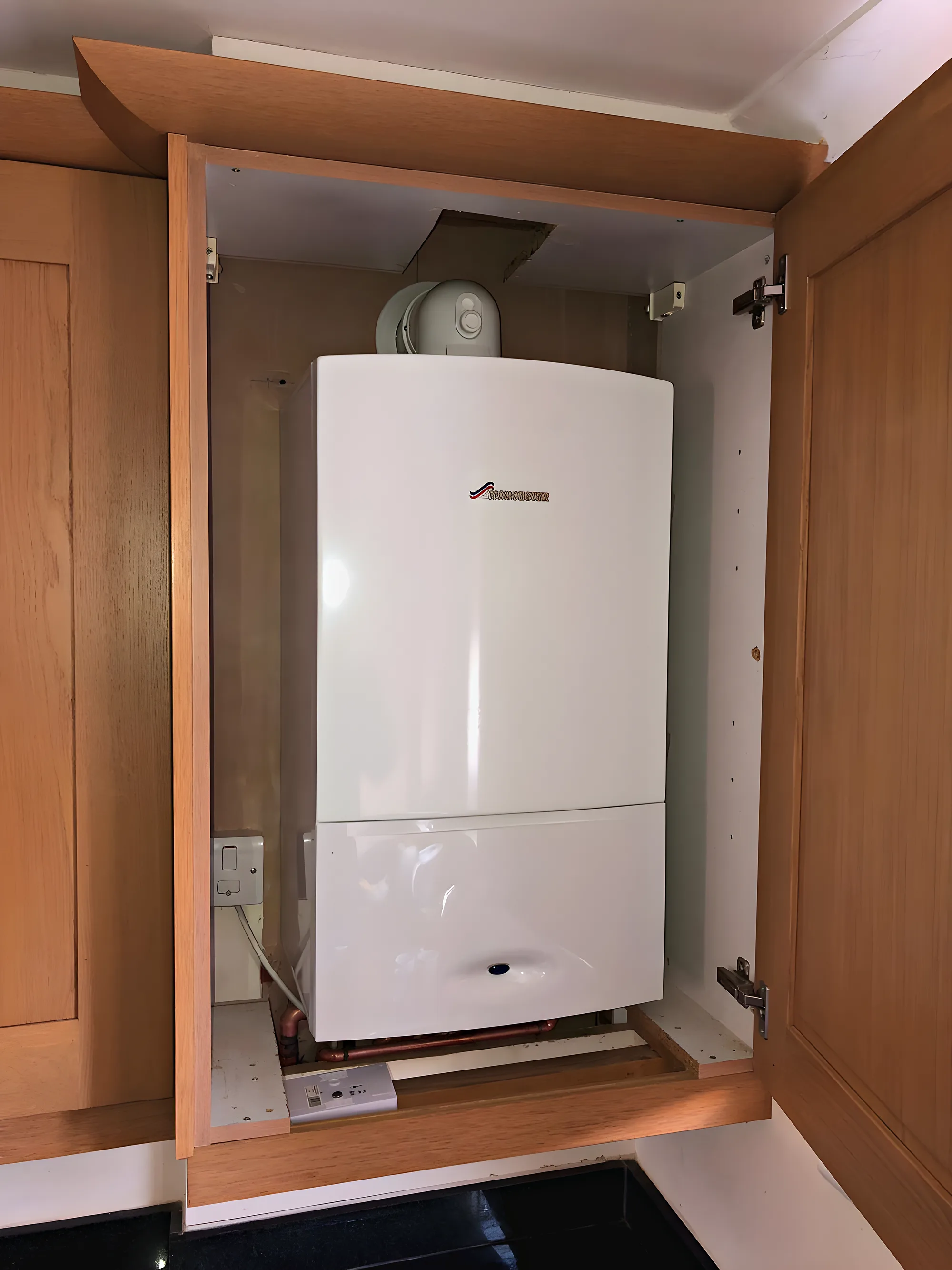
A new white combi boiler fitted neatly inside an oak kitchen cupboard

Boiler Upgrade

What a Boiler Upgrade Can Include

A Modern Condensing Boiler

Combi, system or conventional, chosen to suit your home and sized from its heat loss.

Time and Temperature Controls

Programmable or smart controls, including the extra measure a new combi requires.

Thermostatic Radiator Valves

Room by room control, so bedrooms and living rooms can be kept at different temperatures.

System Cleaning

A thorough flush, or a power flush where the system needs it, followed by inhibitor.

Magnetic Filtration

A filter on the return pipe that catches iron sludge before it reaches the boiler.

Tank and Cylinder Changes

Loft tanks or old cylinders removed where a combi or sealed system replaces them.

Questions

Boiler Upgrade Questions

Can I Get a Boiler Upgrade Scheme Grant for a New Gas Boiler?

No. Despite its name, the government's Boiler Upgrade Scheme gives a grant towards replacing a fossil fuel system with a heat pump or biomass boiler in England and Wales. It does not pay towards a new gas boiler.

Is My Old Boiler Non Condensing?

If it was fitted before April 2005 and has no condensate pipe running from it to a drain, it is very likely to be non condensing. We can confirm the model and its efficiency at a visit.

Should I Switch from a Conventional System to a Combi?

It suits smaller homes with one bathroom and good mains water pressure. In larger homes with several bathrooms, a system boiler with a cylinder is often the better upgrade. We look at your home and water supply before advising.

Do I Need a Power Flush?

Not always. Every new boiler needs the system cleaned and flushed, but a power flush is for systems with heavy sludge. We check how your radiators heat up and the condition of the valves before recommending one.

What Does a Smart Thermostat Add?

A smart thermostat with automation and optimisation adjusts the heating to your routine and works out when to start warming the house. It also satisfies the extra measure required with a new combi in an existing home.

Can I Upgrade My Controls Without Replacing the Boiler?

Often, yes. Many boilers can take a modern programmable or smart thermostat and thermostatic radiator valves. We check compatibility with your boiler before recommending a product.

Get In Touch

Plan Your Boiler Upgrade

Tell us what you need and we will book a fixed appointment slot that suits you.

  • Gas Safe Registered
  • Fully Insured
  • Fixed Appointment Slots

Where We Work

Boiler Upgrade Around Walton on Thames

Based in Walton on Thames, we cover Weybridge, Esher, Cobham, Hersham, Claygate, Oxshott, Molesey, Byfleet and Shepperton. If you are just outside these areas, please get in touch.

Areas We Cover